General Eye Check-up & Vision Testing
Comprehensive eye examinations to assess your vision health, detect early signs of eye diseases, and ensure optimal visual performance.
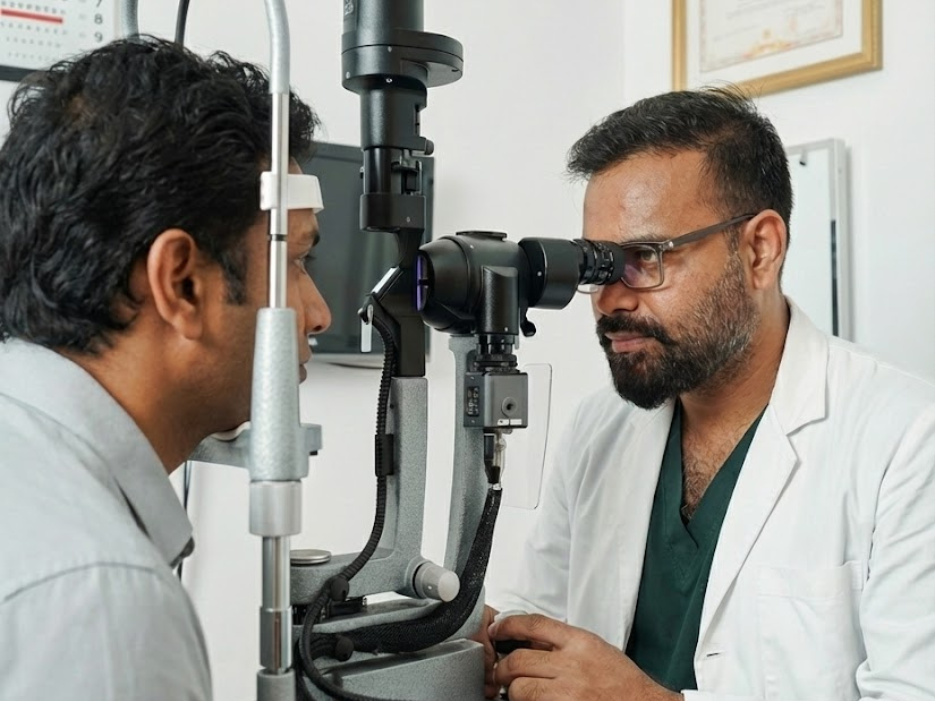
Complete Eye Examination & Vision Testing
At Aryavart Eye Hospital, we provide comprehensive eye examinations using state-of-the-art diagnostic equipment. Our general eye check-up goes beyond basic vision testing to thoroughly evaluate your eye health, detect potential issues early, and provide personalized recommendations for optimal vision care.
What Our Eye Check-up Includes
Visual Acuity Testing
Measure how well you see at various distances using standardized eye charts.
Refraction Assessment
Determine your exact eyeglass prescription for clear and comfortable vision.
Eye Pressure Measurement
Screen for glaucoma using non-contact tonometry for early detection.
Slit Lamp Examination
Detailed examination of cornea, iris, lens, and anterior eye structures.
Our Comprehensive Testing Process
Patient History & Symptoms
Detailed discussion about your vision concerns, medical history, lifestyle, and any symptoms you're experiencing.
Preliminary Tests
Automated tests including visual field screening, corneal topography, and autorefraction.
Comprehensive Eye Examination
Detailed examination by our ophthalmologists including retina check with dilated pupils when necessary.
Diagnosis & Treatment Plan
Clear explanation of findings, personalized treatment recommendations, and follow-up schedule.
Who Should Get Regular Eye Check-ups?
Frequently Asked Questions
Adults should have a comprehensive eye exam every 1-2 years, depending on age, risk factors, and whether you currently wear corrective lenses. Children should have their first eye exam at 6 months, then at age 3, and before starting school.
Yes, dilation is often included in comprehensive exams to allow our ophthalmologists to thoroughly examine the retina and optic nerve. This helps detect conditions like diabetic retinopathy, macular degeneration, and glaucoma. The effects usually last 4-6 hours.
Please bring your current eyeglasses or contact lenses, a list of any medications you're taking, your medical insurance information, and any previous eye examination records. If you have specific vision concerns, it's helpful to note them down beforehand.
Yes, comprehensive eye exams can detect early signs of systemic diseases like diabetes, high blood pressure, high cholesterol, and autoimmune disorders. Changes in blood vessels, retina, or optic nerve can indicate these conditions before other symptoms appear.