
Pediatric Eye Care & Children's Vision
Specialized eye care for children from birth to adolescence with child-friendly approach and advanced pediatric ophthalmology.
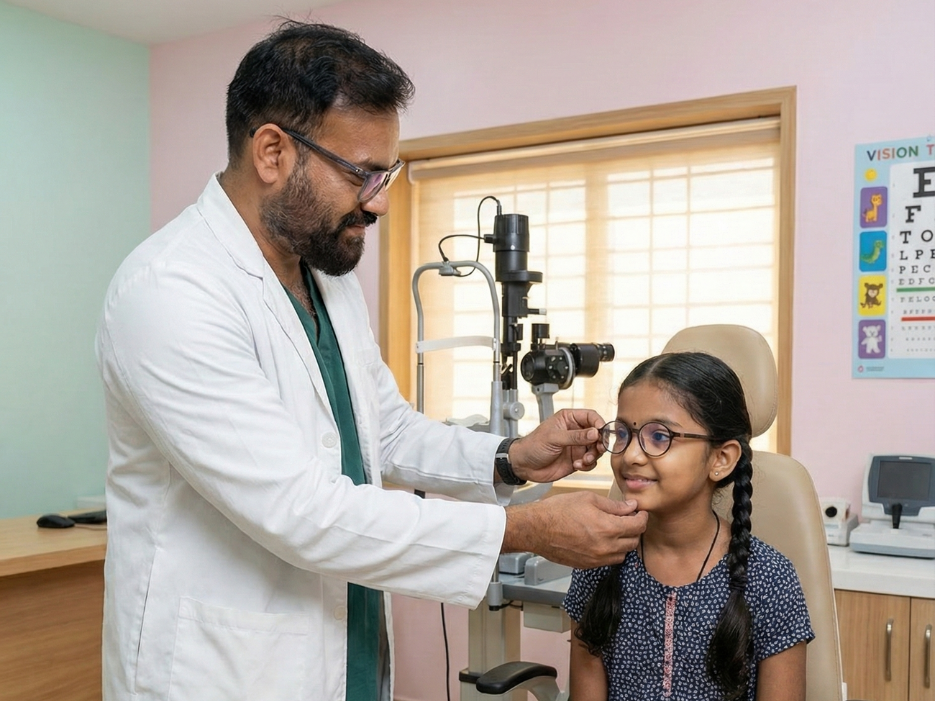
Specialized Pediatric Eye Care
At Aryavart Eye Hospital, our pediatric ophthalmology department is specially designed for children. We provide comprehensive eye care for infants, children, and adolescents in a child-friendly environment with specialized equipment and experienced pediatric eye specialists.
Why Early Eye Check-ups are Crucial
Vision Development
80% of learning is visual. Early detection ensures proper visual development.
Academic Success
Clear vision directly impacts reading, writing, and classroom performance.
Prevent Amblyopia
Early treatment of "lazy eye" is most effective before age 7.
Sports & Activities
Good vision is essential for coordination and sports performance.
Age-Based Eye Care Schedule
First Eye Screening
Check for congenital eye problems, cataracts, glaucoma, and eye alignment
Comprehensive Exam
Assess visual development, eye alignment, and refractive errors
Vision Assessment
Formal vision testing, check for amblyopia risk factors
Pre-School Screening
Complete eye exam before school entry, crucial for learning readiness
Annual Check-ups
Regular examinations for myopia progression, digital eye strain, sports vision
Common Pediatric Eye Conditions We Treat
Amblyopia (Lazy Eye)
Weak vision in one eye due to improper development. Treatable with patches, drops, or glasses.
Most CommonStrabismus (Squint)
Misaligned eyes that don't work together. Corrected with glasses, exercises, or surgery.
Surgically TreatableRefractive Errors
Myopia (nearsightedness), Hyperopia (farsightedness), Astigmatism in children.
Glasses/Contact LensesCongenital Cataracts
Cloudy lens present at birth requiring early surgical intervention.
Surgical TreatmentPediatric Glaucoma
Increased eye pressure in children needing specialized treatment.
Medical/SurgicalAllergic Conjunctivitis
Eye allergies common in children, treated with proper medication.
Medical TreatmentOur Child-Friendly Approach
Special Pediatric Clinic
Colorful, toy-filled waiting area with child-friendly examination rooms
Game-based Testing
Using picture charts, matching games, and interactive tools for accurate assessment
Pediatric Specialists
Experienced ophthalmologists trained in child psychology and communication
Parent Education
Detailed counseling for parents about treatment plans and home care
Pediatric Eye Care FAQs
The American Academy of Ophthalmology recommends the first comprehensive eye exam at 6 months, then at age 3, before starting school (around age 5-6), and annually during school years. However, if you notice any warning signs or have family history of eye problems, consult earlier.
Watch for these signs: squinting, sitting too close to TV, tilting head, rubbing eyes excessively, avoiding reading, headaches, poor school performance, crossed eyes, or complaints of blurry vision. Children often don't realize they have vision problems as they think everyone sees the same way.
Yes, excessive screen time can lead to digital eye strain, dry eyes, and may contribute to myopia progression. Follow the 20-20-20 rule, ensure proper lighting, maintain appropriate distance, and encourage regular breaks. Limit recreational screen time and ensure at least 2 hours of outdoor play daily.
Treatment depends on the cause but may include: prescription glasses, patching the stronger eye to stimulate the weaker eye, atropine eye drops to blur the stronger eye, or vision therapy. The earlier treatment begins, the better the results. Treatment is most effective before age 7.
Yes, with proper supervision. Children as young as 8 can safely wear contact lenses if they are responsible about hygiene. Daily disposable lenses are often recommended for children. Contact lenses can be particularly beneficial for active children in sports or those with high prescriptions.