
Glaucoma Treatment & Management
Advanced diagnosis and comprehensive treatment for glaucoma to prevent vision loss and preserve eye health.
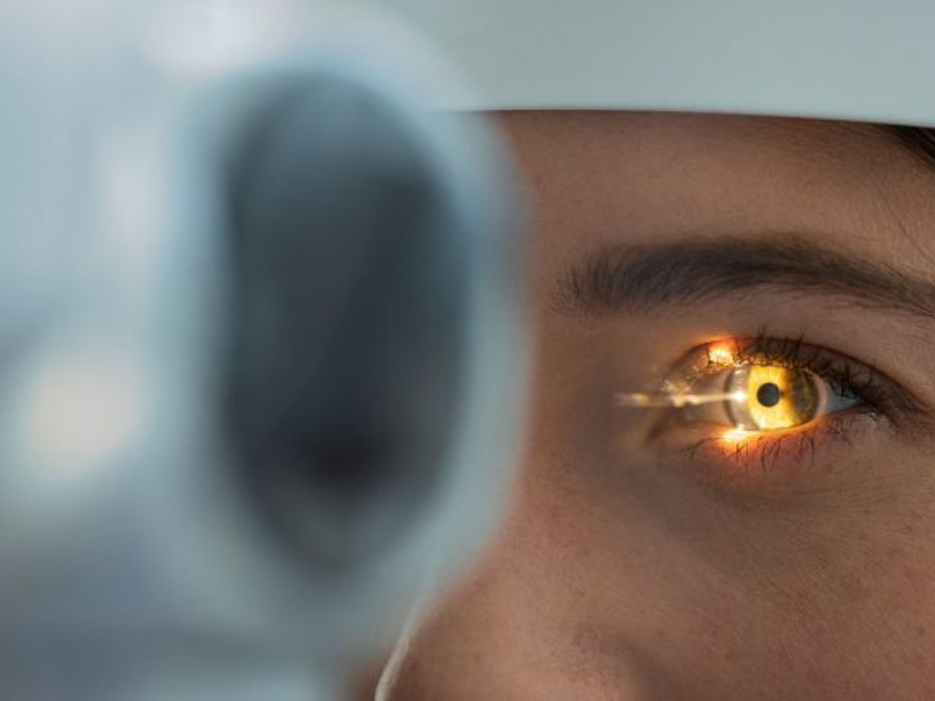
Comprehensive Glaucoma Care
At Aryavart Eye Hospital, we provide advanced glaucoma diagnosis and treatment using state-of-the-art technology. Glaucoma is often called the "silent thief of sight" because it progresses without symptoms until significant vision loss occurs. Our glaucoma specialists use cutting-edge techniques for early detection and effective management.
Why Early Glaucoma Detection is Critical
Silent Progression
Glaucoma often shows no symptoms until irreversible damage occurs
Nerve Damage Prevention
Early treatment prevents optic nerve damage and vision loss
Irreversible Damage
Vision loss from glaucoma is permanent - early intervention is key
Family History Risk
Regular screening is crucial for those with family history
Advanced Diagnostic Technology
Goldmann Applanation Tonometry
Gold standard for accurate intraocular pressure measurement
OCT (Optical Coherence Tomography)
Detailed imaging of optic nerve and retinal nerve fiber layer
Visual Field Testing
Computerized perimetry to detect peripheral vision loss
Fundus Photography
Digital documentation of optic nerve for progression tracking
Comprehensive Treatment Options
Eye Drops Therapy
Prescription eye drops to reduce intraocular pressure. Different classes available based on individual needs.
Minimally Invasive Procedures
Office-based laser procedures to improve fluid drainage and reduce eye pressure
Micro-Invasive Glaucoma Surgery
Surgical procedures for advanced glaucoma when medications and lasers are insufficient
Minimally Invasive Glaucoma Surgery (MIGS)
iStent Inject
World's smallest medical device implanted during cataract surgery to improve drainage
Micro-InvasiveXEN Gel Stent
Soft, flexible gel stent that creates a drainage pathway to reduce eye pressure
Minimally InvasiveHydrus Microstent
Flexible scaffold that improves natural drainage and reduces medication dependence
Advanced MIGSKahook Dual Blade
Precision device for removing trabecular meshwork to improve aqueous outflow
Standalone ProcedureGlaucoma Risk Factors
Age Over 40
Risk increases significantly after age 40, with higher prevalence in seniors
Family History
6-8 times higher risk if immediate family members have glaucoma
High Eye Pressure
Elevated intraocular pressure is the most significant risk factor
Diabetes & Hypertension
Systemic conditions that increase glaucoma risk
Glaucoma FAQs
Open-angle glaucoma typically has no early symptoms. You may not notice vision loss until the disease is advanced. Angle-closure glaucoma symptoms include severe eye pain, nausea, vomiting, headache, rainbow halos around lights, and sudden vision loss. Regular eye exams are crucial because glaucoma is often asymptomatic in early stages.
While there's no cure for glaucoma, early detection and treatment can usually control the disease and prevent vision loss. Treatment focuses on lowering intraocular pressure to slow or stop optic nerve damage. With proper management, most people with glaucoma will not lose significant vision. However, any vision already lost cannot be restored.
Adults should have comprehensive eye exams: every 2-4 years aged 40-54, every 1-3 years aged 55-64, and every 1-2 years after age 65. Those with risk factors (family history, diabetes, high blood pressure, previous eye injury) should be screened more frequently - annually after age 35. African Americans should start screening at age 40 due to higher risk.
Trabeculectomy has 60-80% success rate at 5 years. Glaucoma drainage implants have 70-90% success rate. MIGS procedures have 60-70% success rate with fewer complications. Success depends on glaucoma type, severity, and individual factors. Most patients still require some medication after surgery. Regular follow-up is essential for surgical success.
Yes, glaucoma is a leading cause of irreversible blindness worldwide. However, with early detection and proper treatment, blindness from glaucoma is largely preventable. Only about 5% of people with glaucoma who receive proper treatment become blind. The key is regular eye exams, adherence to treatment, and monitoring for progression.